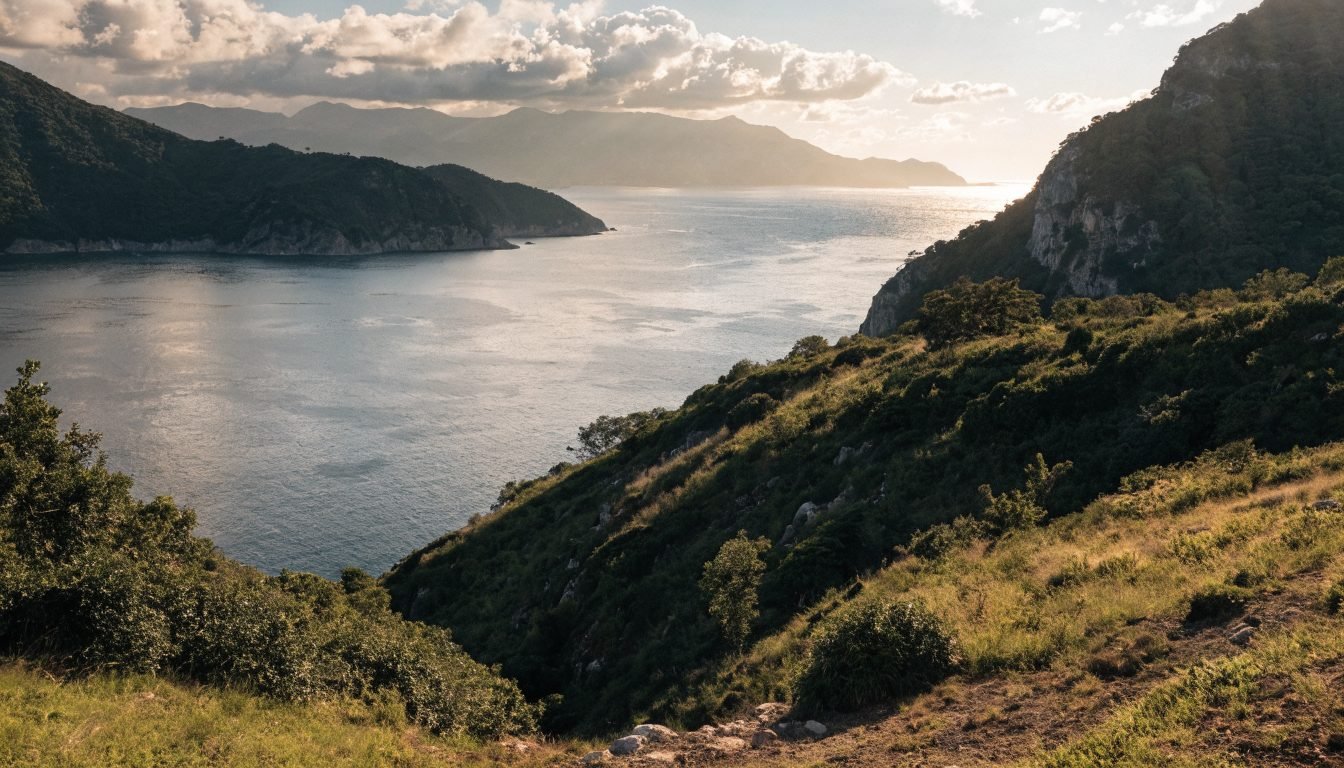
The photos were stunning: an ocean-view lot in the hills above Puerto Vallarta, half the price of anything comparable, "clean paperwork," a motivated seller. That price gap is almost never a gift. More often it is the market's warning that the land is ejido — communally held land that a foreigner cannot legally own outright. Every year, buyers hand over life savings for a beautiful lot and a worthless title. Here is how the trap works, and how to walk away from it.
What ejido land is
After the Mexican Revolution, vast areas of land were placed into ejidos — communal holdings farmed and governed collectively by their members, the ejidatarios. Ejido land is not private property. It belongs to the community and is administered under a special legal regime, with rights held by members rather than owned as freehold. A great deal of the undeveloped land around Puerto Vallarta and the Bay of Banderas — exactly the scenic, affordable lots that attract foreign buyers — is ejido land, which is precisely why the bargains cluster there.
Why a foreigner cannot simply buy it
An ejidatario can sell you the right to use a parcel, but that is not a real-estate title, and it is not something you can register as your own property. What buyers are usually handed is a private contract, a cesión de derechos (assignment of rights), or a handshake blessed by the ejido assembly — none of which gives you ownership a Mexican court will protect. If a dispute arises, if the seller's family contests it, or if the assembly changes its mind, you may have no enforceable claim at all. You did not buy land; you bought a fragile promise.
The regularization myth
Sellers love a reassuring phrase: "it's being regularized" or "it will be titled soon." Ejido land can in some cases be converted to private property through a formal process — the parcel is regularized, taken out of the ejido regime, and issued a proper private title that a foreigner can then hold, typically through a fideicomiso in the restricted coastal zone. But that process is slow, requires the ejido assembly's formal agreement, and is completed far less often than sellers imply. "Being regularized" is a plan, not a title. Until it is finished and a private deed exists, you are buying the plan — and the risk that it never happens.
How to know before you sign
The good news is that ejido status is verifiable — before any money changes hands. A proper due-diligence check runs the property through the public property registry and the agrarian registry (RAN), reviews the chain of title, and confirms whether a genuine private deed exists or whether you are looking at agrarian rights dressed up as ownership. A notario público cannot issue a clean deed on land that is still ejido, so if a seller is avoiding the notary or promising to "close privately," treat it as a red flag, not a convenience. The check costs a fraction of the lot and is the best money you will spend in the whole transaction.
When ejido land can still make sense
None of this means every ejido lot is a scam. Regularized parcels with completed private titles are bought safely all the time, and some buyers knowingly acquire agrarian rights with eyes open and appropriate structuring. The danger is not the land — it is buying it as if it were private property when it is not. If a lot you love turns out to be ejido, the answer is not always "run"; it is "understand exactly what you are getting, get it verified, and structure it correctly." That is a conversation for a lawyer and sound foreign-investment guidance, not for the seller who profits from your optimism.
Frequently Asked Questions
Ejido land is communally held land governed by its members, not private property. A foreigner cannot own it outright — what you are usually offered is a right to use, not a registrable title a court will protect. Much of the affordable, scenic land around Puerto Vallarta is ejido, which is exactly why the bargains cluster there.
"Being regularized" is a plan, not a title. Ejido land can sometimes be converted to private property, but the process is slow, needs the ejido assembly’s formal agreement, and is completed far less often than sellers imply. Until a genuine private deed exists, you are buying the risk that it never happens.
It is verifiable before any money changes hands. A due-diligence check runs the property through the public property registry and the agrarian registry (RAN), reviews the chain of title, and confirms whether a real private deed exists. A notario cannot issue a clean deed on land that is still ejido, so a seller avoiding the notary is a red flag.
Sometimes. Regularized parcels with completed private titles are bought safely all the time, and some buyers knowingly acquire agrarian rights with appropriate structuring. The danger is buying ejido land as if it were private property when it is not — the fix is verification and correct structuring, not blind trust in the seller.
It depends on exactly what you signed and the parcel’s current status — some situations can be salvaged through regularization, others cannot. The sooner you have the paperwork reviewed, the more options you are likely to have, so bring it to a lawyer before investing anything further in the property.
Verify the land before you buy it
If a Puerto Vallarta lot looks too cheap to be true, let us check its status before you commit a peso. We confirm ejido versus private title, run full due diligence in the public and agrarian registries, and tell you plainly whether the deal is safe, salvageable or one to walk away from.
Check a Property's Title Foreign Investment Services