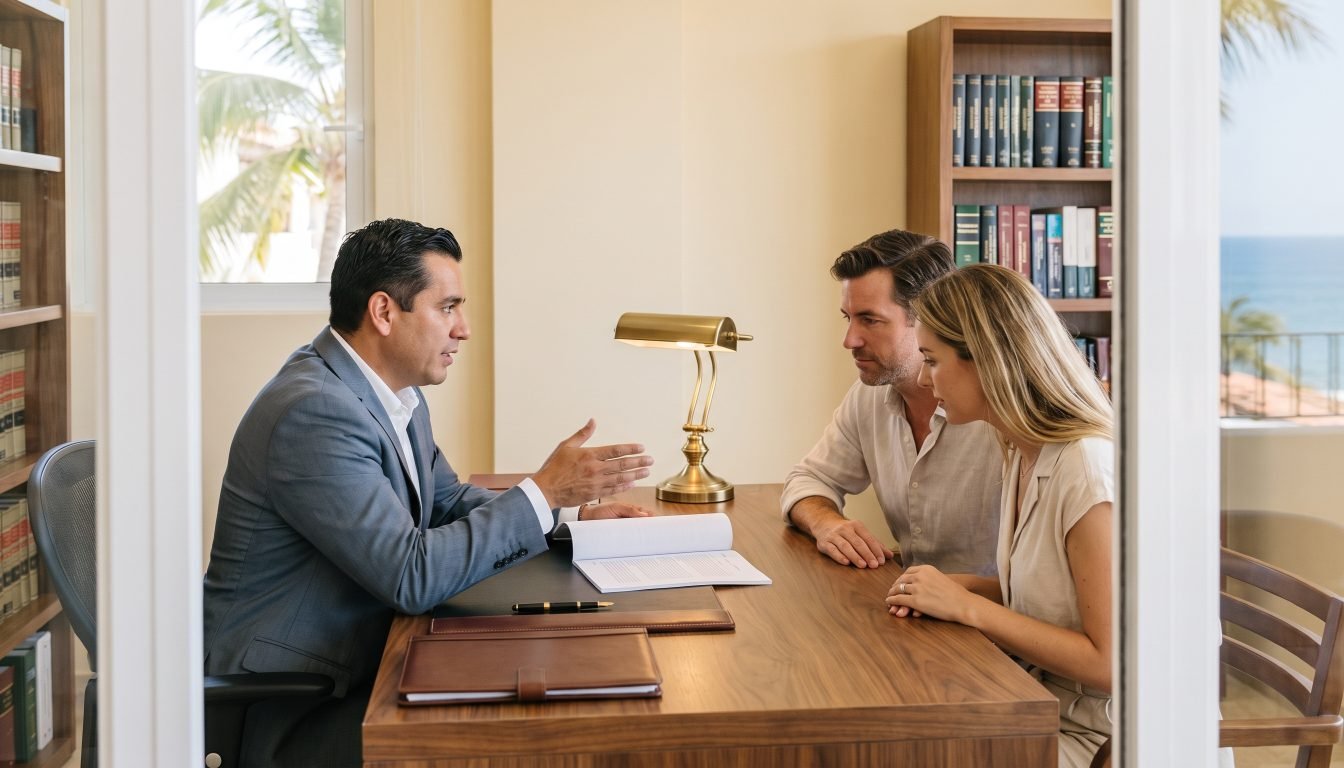
Nobody buys a dream home in Puerto Vallarta thinking about what happens to it when they are gone. But for foreign owners, that question has real consequences: without the right planning, the property you love can leave your family tangled in a foreign legal process, in a language they may not speak, for months or years. The reassuring news is that Mexico offers clean, well-established ways to pass property to your heirs — if you set them up in advance. Here is what inheritance and probate actually look like south of the border.
Why a foreign will is not enough
Many owners assume their will back home covers everything they own, including the condo in Vallarta. Technically a foreign will can be recognized in Mexico — but the process to do so is slow, expensive and translation-heavy, because a foreign document must be validated through the Mexican courts before it has any effect on Mexican property. That is the worst-case scenario for your heirs. The far simpler path is to plan for the Mexican asset with Mexican tools, which is why we always recommend making a Mexican will alongside your foreign one.
The fideicomiso: inheritance built in
If you own coastal property through a fideicomiso, you already hold one of the best inheritance tools available. A bank trust lets you name substitute beneficiaries — the people who automatically receive your rights to the property when you pass, without probate. When set up correctly, the transfer to your named heirs is a relatively simple administrative process with the trustee bank, not a court battle. This single feature is one of the most underrated advantages of the fideicomiso, and it is a reason to make sure your beneficiary designations are current.
What probate (sucesión) looks like in Mexico
When property must pass through the estate — because there is no beneficiary designation or trust to route it — it goes through sucesión, the Mexican probate process. There are two paths. A testamentary succession follows a valid Mexican will and can often be handled before a notary when the heirs agree, which is relatively efficient. An intestate succession — dying without a valid Mexican will — is the hard road: the law decides who inherits, in a fixed order of relatives, and the process typically moves through the courts, taking much longer and costing much more.
Dying without a will: what really happens
If a foreign owner dies with no Mexican will and no trust beneficiary, the property does not simply "go to the spouse." It enters intestate succession under Mexican law, where statutory rules determine the heirs and their shares — which may not match what you would have chosen. Heirs abroad must appoint representation, produce apostilled and translated documents proving their relationship, and wait out a court process while the property sits frozen. It is entirely avoidable, and avoiding it costs a fraction of what untangling it does.
Is there an inheritance tax in Mexico?
Mexico does not levy a traditional inheritance or estate tax the way some countries do, which surprises many foreigners in a good way. However, that does not mean the transfer is entirely free of cost or tax consequence — there are notary, registration and administrative costs to formalize the inheritance, and how and when the heirs later sell can trigger capital gains tax. Planning considers not just getting the property to your heirs, but leaving them in a good tax position when they receive it.
Planning ahead: a short checklist
Protecting your family is mostly about a few decisions made while you can make them:
- Make a Mexican will covering your Mexican assets, in addition to your foreign will.
- Name and update beneficiaries on your fideicomiso — review them after any major life change.
- Keep your documents accessible: deed, trust, will and RFC, so heirs are not searching blind.
- Consider how you hold title — trust, corporation, co-ownership — with succession in mind, not just purchase.
- Get advice once, early, from an attorney who handles both real estate and estate matters.
An afternoon of planning now spares your family the hardest version of this process later. That is the whole point of our legal services for foreign owners.
Frequently Asked Questions
A foreign will can be recognized in Mexico, but the process to validate it through the Mexican courts is slow, costly and translation-heavy — the worst case for your heirs. The simpler path is to also make a Mexican will covering your Mexican assets, so the property can pass without that court validation.
Yes — it is one of its biggest advantages. A bank trust lets you name substitute beneficiaries who automatically receive your rights when you pass, avoiding probate. When set up correctly, the transfer to your named heirs is a relatively simple process with the trustee bank rather than a court proceeding. Keep those beneficiary designations current.
The property enters intestate succession under Mexican law, where statutory rules decide who inherits and in what shares — which may not match your wishes. Heirs abroad must appoint representation, provide apostilled and translated documents, and wait out a court process while the property sits frozen. It is entirely avoidable with planning.
Mexico does not levy a traditional inheritance or estate tax the way some countries do. However, there are notary, registration and administrative costs to formalize the inheritance, and how and when the heirs later sell can trigger capital gains tax — so planning considers the tax position your heirs inherit, not just the transfer itself.
Make a Mexican will for your Mexican assets, name and regularly update your fideicomiso beneficiaries, keep your deed, trust, will and RFC accessible, and consider how you hold title with succession in mind. A short session with an attorney who handles both real estate and estate matters spares your family the hardest version of this process.
Protect the home you love — and the family who inherits it
We help foreign owners in Puerto Vallarta set up Mexican wills, name trust beneficiaries correctly, and guide heirs through succession when the time comes — so your property passes smoothly instead of getting stuck in court.
Plan Your Estate Making a Will in Mexico